Candida infections are among the most common health challenges faced by women across the globe. These infections, caused by the overgrowth of Candida albicans or other species of yeast, can significantly affect a woman’s quality of life if not addressed in a timely manner 念珠菌藥. The subject of candida medication in women healthcare is important because it not only touches on treatment but also on prevention, education, and the broader implications of women’s well-being. With increasing awareness about holistic health, the discussion around candida treatment options has become central in women healthcare systems, focusing on both conventional medicine and alternative solutions.
Candida is a fungus naturally present in the human body. In small amounts, it is harmless and often coexists with beneficial bacteria in the digestive system, mouth, and vagina. Problems arise when there is an imbalance in this microbial ecosystem. Triggers such as prolonged antibiotic use, hormonal fluctuations, weakened immunity, poor diet, or chronic stress can lead to overgrowth. This overgrowth manifests as yeast infections, with symptoms ranging from itching, burning, and discharge to digestive disturbances or even systemic candida in more severe cases. Addressing these infections properly is essential, and this is where candida medication becomes a cornerstone of women healthcare.
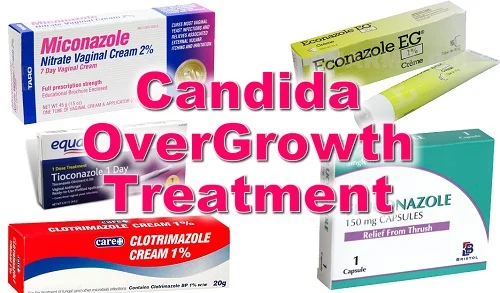
One of the most widely used categories of candida medication includes antifungal treatments. These may be available as oral tablets, topical creams, or vaginal suppositories. Drugs like fluconazole, clotrimazole, and miconazole are often prescribed by healthcare providers to eliminate fungal overgrowth. Such medications act by disrupting the fungal cell membrane, ultimately stopping the infection from spreading further. Within women healthcare, these medications are considered highly effective for acute cases of vaginal yeast infections. Many women find relief within days of starting treatment, highlighting the importance of pharmaceutical advances in managing candida.
However, the conversation about candida medication in women healthcare does not end with prescription drugs alone. Many healthcare professionals emphasize that treating the root cause of candida is equally important. For instance, addressing dietary habits is an integral part of long-term prevention. Diets high in refined sugar and processed foods create an environment conducive to yeast overgrowth. As such, nutrition-based approaches often accompany medication in comprehensive care plans. Women are advised to adopt diets rich in probiotics, fiber, and whole foods to support the balance of healthy gut flora. In this way, healthcare strategies blend traditional candida medication with lifestyle modifications to enhance effectiveness.
In addition to prescription antifungals, over-the-counter remedies are available and widely used by women for convenience. Vaginal antifungal creams and suppositories can be purchased without a prescription, making them an accessible first-line defense against recurring yeast infections. While these treatments can be effective for mild cases, women healthcare specialists recommend professional medical consultation before prolonged self-treatment. Misdiagnosis is a significant concern because symptoms of bacterial vaginosis or sexually transmitted infections can mimic yeast infections. Proper guidance ensures that candida medication is applied effectively and safely.
Natural remedies have also gained popularity within the broader framework of women healthcare. Some women turn to probiotics, garlic, coconut oil, or herbal antifungals such as oregano oil as supportive treatments. Probiotics, in particular, are of interest because they help replenish beneficial bacteria, creating a balance that naturally resists fungal overgrowth. While not a replacement for medical antifungals in severe infections, natural remedies may complement conventional candida medication. This integration of modern and traditional approaches reflects the evolving nature of women healthcare, where personalized solutions are valued.
An often-overlooked aspect of candida medication in women healthcare is the psychological impact of recurrent infections. Women experiencing frequent yeast infections may face embarrassment, frustration, or reduced confidence in intimate relationships. This emotional burden can affect mental well-being, making it necessary for healthcare providers to address candida infections with sensitivity and compassion. Offering education about the causes of recurrence, emphasizing preventive care, and providing empathetic counseling form part of a holistic women healthcare strategy.
Preventive healthcare measures are also closely tied to the conversation about candida medication. Hygiene practices, breathable clothing, stress management, and the avoidance of unnecessary antibiotics can all help reduce the likelihood of yeast overgrowth. Women’s healthcare initiatives increasingly highlight education about these preventive strategies, empowering women to play an active role in safeguarding their health. By reducing reliance on repeated courses of candida medication, preventive care supports both physical well-being and long-term resilience against recurrent infections.
Another critical dimension involves global women healthcare policies. In many regions, limited access to candida medication poses a significant challenge. Women in underserved communities may lack access to qualified healthcare providers, leaving them dependent on unreliable remedies or facing untreated infections. Advocacy for better healthcare infrastructure and affordable antifungal treatments is therefore vital. Expanding education about candida, ensuring access to safe and effective medication, and promoting community health initiatives form part of the broader responsibility of healthcare systems.
Furthermore, research into candida infections is expanding. Scientists are investigating the growing problem of antifungal resistance, which occurs when common candida strains become less responsive to medication. This resistance can complicate treatment, making infections more persistent. Women healthcare specialists are calling for innovation in developing new antifungal agents, improved diagnostic tools, and integrative treatment models. By staying ahead of resistance patterns, healthcare providers can ensure that candida medication remains effective for future generations.
In the larger picture, candida infections serve as a reminder of the interconnectedness of women healthcare. These infections are not isolated medical conditions but are influenced by nutrition, immunity, lifestyle, and emotional health. The approach to candida medication is therefore holistic—blending pharmaceutical advances with preventive strategies, lifestyle adjustments, and psychosocial support. This integrated approach reflects the progress being made in women healthcare, where treatment is not just about curing disease but also about empowering women to achieve sustainable well-being.
Candida infections may be common, but their management requires thoughtful care. Candida medication remains a cornerstone of women healthcare, offering reliable relief and restoring balance when overgrowth occurs. At the same time, the importance of prevention, education, and innovation cannot be overstated. For women worldwide, access to effective treatment, accurate knowledge, and supportive healthcare systems ensures that candida infections are managed not only as a physical condition but also as part of a broader journey toward holistic health.
