Mononucleosis, commonly known as “mono,” primarily affects individuals aged 15 to 17, although it can develop at any age. Once a person has been exposed to the Epstein-Barr virus (EBV), they typically gain immunity and are unlikely to experience mono again. Understanding mono symptoms is crucial for early diagnosis and effective management.
Recognizing the Key Symptoms
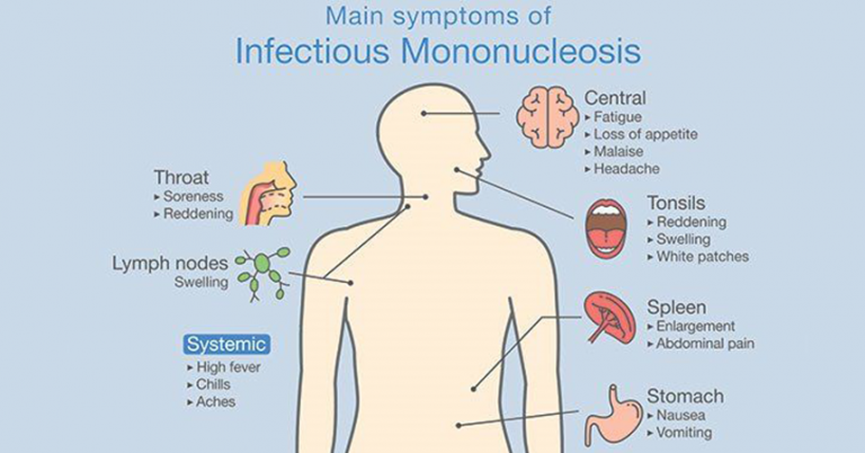
Mono symptoms often include fever, sore throat, and extreme fatigue. Swollen lymph glands, particularly in the neck, are also common indicators. Due to the similarity of these symptoms to other medical conditions, an EBV screening is vital for accurate diagnosis. Recognizing these signs can lead to timely treatment and recovery.
Impact on Children and Adolescents
In children, mono symptoms may not always be easily identifiable. While teenagers and adults tend to exhibit more pronounced symptoms, children often experience a milder form of the infection. Those who do develop noticeable symptoms typically recover within two to four weeks. This variation highlights the importance of monitoring for mono symptoms across different age groups.
The Importance of EBV Screening
For most individuals, mono is not a severe illness and usually resolves with rest. However, symptoms like extreme fatigue and body aches can disrupt daily life. This is where Sansure comes into play, emphasizing the importance of timely EBV screening. Early identification through screening can provide patients with the guidance and treatment needed for a smoother recovery.
Conclusion
In conclusion, understanding mono symptoms is essential for timely diagnosis and treatment. With the right information and resources, such as those provided by Sansure, individuals can navigate the challenges of mono more effectively. Recognizing symptoms early can lead to better health outcomes and a quicker return to daily activities.
