The PVC pipe industry continues to evolve as market demands shift and construction standards advance. There is a growing emphasis on cost-effective, durable piping systems suitable for residential, commercial, and industrial use. At the same time, sustainability and compliance with environmental regulations have become increasingly important factors influencing material selection and manufacturing methods.
Adoption of Sustainable Practices
PVC pipe companies are gradually shifting toward more environmentally responsible practices. Recycled materials are being used more frequently in production, and energy-efficient processes are becoming more common. LESSO America reflects this trend through their efforts to reduce waste and optimize energy consumption in their operations. They prioritize resource-efficient manufacturing while maintaining product integrity, meeting both environmental goals and performance requirements.
Innovation in Product Design and Application
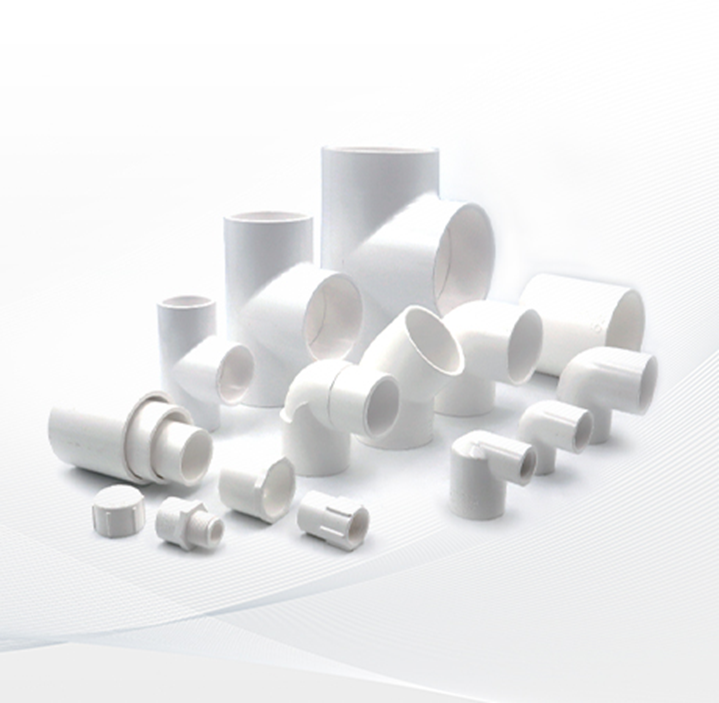
Technological advancements continue to shape product development in the PVC pipe industry. Pipes with enhanced resistance to pressure, temperature variations, and chemical exposure are now in higher demand. LESSO America remains responsive to these needs by offering a diverse range of products suited for modern infrastructure projects. Their catalog includes solutions for drainage, plumbing, and electrical conduit applications, designed to meet today’s performance standards.
Meeting Industry Standards and Regulatory Compliance
As regulations grow stricter, manufacturers are required to align with more rigorous standards. LESSO America consistently ensures their PVC pipe products comply with national and local codes. Their ability to adapt to new regulations while maintaining consistent production quality helps them stay relevant in a competitive market.
Conclusion
The PVC pipe industry is undergoing continuous change, shaped by sustainability goals, technological improvements, and evolving project requirements. As a PVC pipe company, LESSO America adapts to these trends through responsible manufacturing practices, diverse product offerings, and a focus on consistent quality. Their approach reflects a clear understanding of current market dynamics and prepares them to meet the needs of both present and future infrastructure projects.
